Mesopotamia
California History–Social Science 6.2
Mesopotamia means "the land between the rivers." It was between the Tigris and Euphrates rivers, in what is now mostly Iraq. These rivers could flood without warning, so farming was hard. Farmers dug canals to bring water to their fields. With more food, people could build some of the first cities in the world. The Sumerians lived in city-states like Uruk. Each city had its own ruler. A giant temple called a ziggurat stood at the center. Sumerian scribes needed to keep track of grain and trade, so they invented cuneiform, one of the first kinds of writing. Later, Sargon of Akkad took over the city-states and made the world's first empire. Hammurabi, a king of Babylon, wrote down 282 laws so everyone would know the rules. The Sumerians are also believed to have invented the wheel, the plow and the sailboat.
Cards in this unit
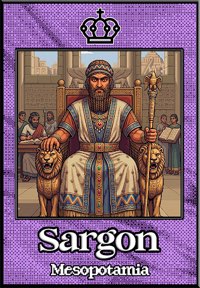 SargonPolitical
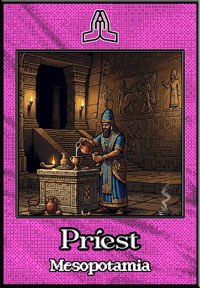 PriestReligious
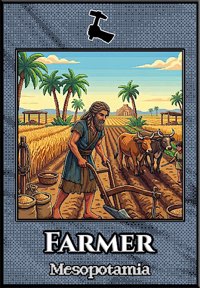 FarmerLabor
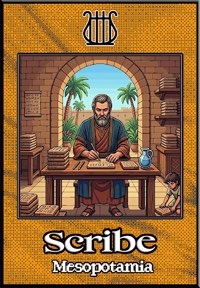 ScribeCultural
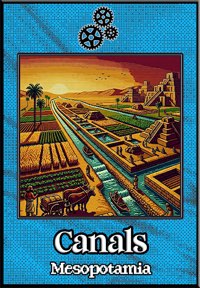 CanalsScientific
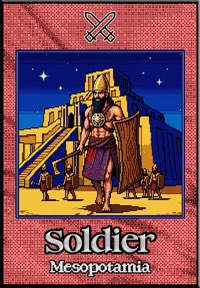 SoldierMilitary
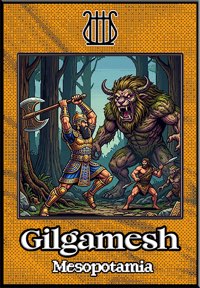 GilgameshCultural
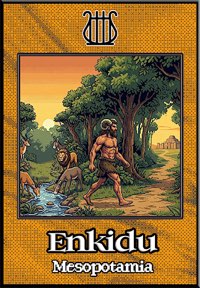 EnkiduCultural
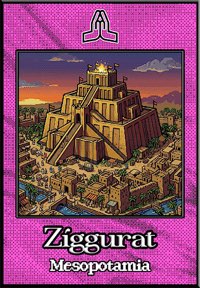 ZigguratReligious
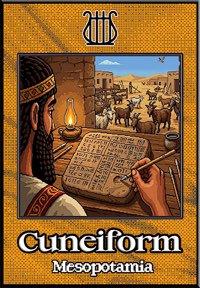 CuneiformCultural
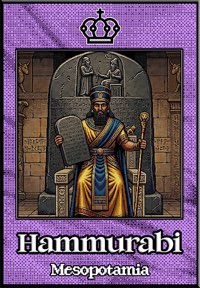 HammurabiPolitical
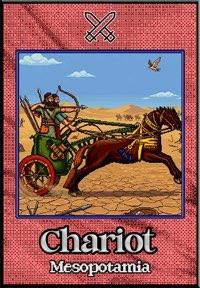 ChariotMilitary
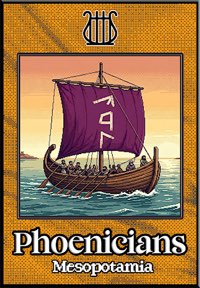 The PhoeniciansCultural
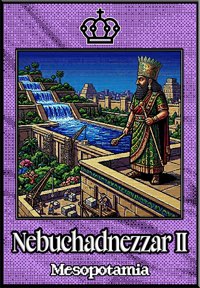 NebuchadnezzarPolitical
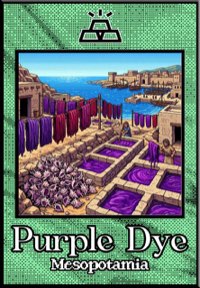 Purple DyeEconomic
Students earn all 15 of these cards in the game. Cards with a gold frame have their own page.
For teachers
This unit covers the Mesopotamia part of CA HSS 6.2:
- river geography and irrigation
- city-states and social classes
- religion and the ziggurat
- cuneiform writing
- the first empire under Sargon
- Hammurabi's Code
The Phoenicians and Nebuchadnezzar's Babylon also appear as cards.
California History–Social Science 6.2